
Although the Catholic Church has been present in Vietnam for four centuries, evangelization in this country, as in other regions of the Far East belonging to the Chinese and Indochinese cultural sphere, is progressing very slowly. Currently, Catholics make up only 7 percent of Vietnam’s population of over 100 million.
Evangelization there encounters both external and internal resistance. On the one hand, state structures have always been and continue to be distrustful and often hostile toward Christianity, and on the other, the natural religiosity of the people, based on the Buddhist philosophy of self-salvation and Confucian morality of self-improvement, is opposed to the acceptance of a Personal God who, out of love for man, empties himself and becomes obedient unto death on the cross (Phil 2:6-11). Instead of promising prosperity, well-being, health, and universal respect to his followers, he tells them that whoever wants to follow him must deny himself, take up his cross, and follow him (Mk 8:34ff). In addition, He also commands them to love their enemies and pray for them (Luke 6:27ff). If evangelization depended solely on human efforts and if it were a matter of numbers, the chances of its success in Vietnam and other countries with a similar culture would be zero. However, it is the work of the Spirit of Truth, who never uses crowds, but those few disciples of Christ who believe in Him, that is, who transform their way of life and accept the Gospel. They become proclaimers and sowers of true peace, which does not come from outside man, but from within him, transformed by faith.
From the very beginning of the evangelization of Vietnam, which was once called An Nam, there were such people. One of the first testimonies of missionaries about martyrs for the faith in this country tells of three Vietnamese virgins who, in the second half of the seventeenth century, chose a cruel death by torture rather than break their vow of virginity to Christ. They gave rise to the first local female religious order, which still exists today. It is the Order of the Lovers of the Cross, who pray daily with the words: “Lạy Nữ Vương ban sự bình an- cầu cho chúng con.” This translates as: “Queen, who gives peace, pray for us.” This is, of course, a prayer addressed to Mary, widely venerated by Vietnamese Catholics as the Queen of Peace. People pray to her in their homes, parish churches, and seven Marian shrines that stretch like Vietnam from north to south. The most famous and oldest of these is the Shrine of Our Lady of La Vang, located in the central part of the country. However, as Marians in Vietnam, we are connected to another Marian site, located a little further north of La Vang, where most of our Vietnamese vocations come from.
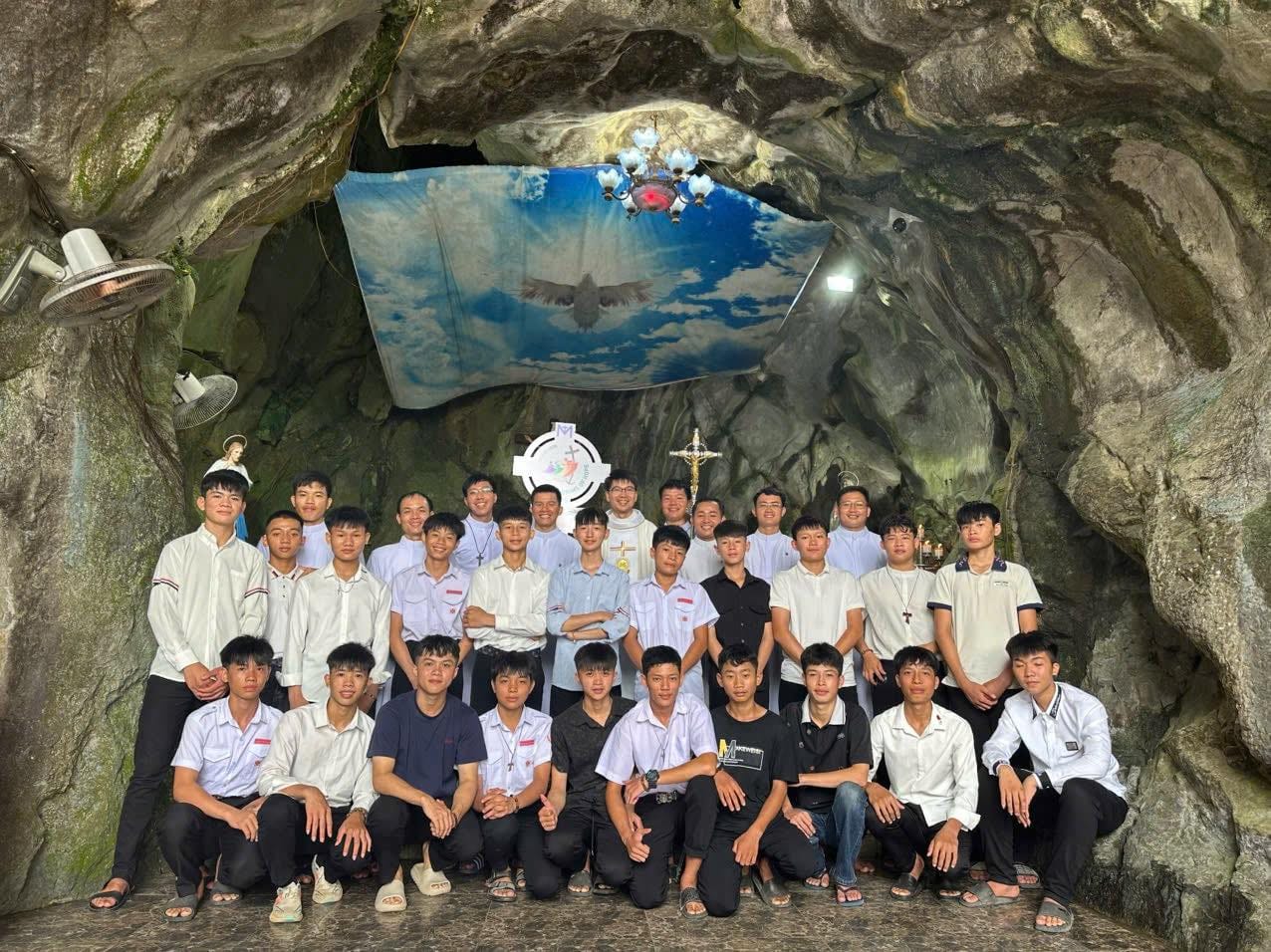
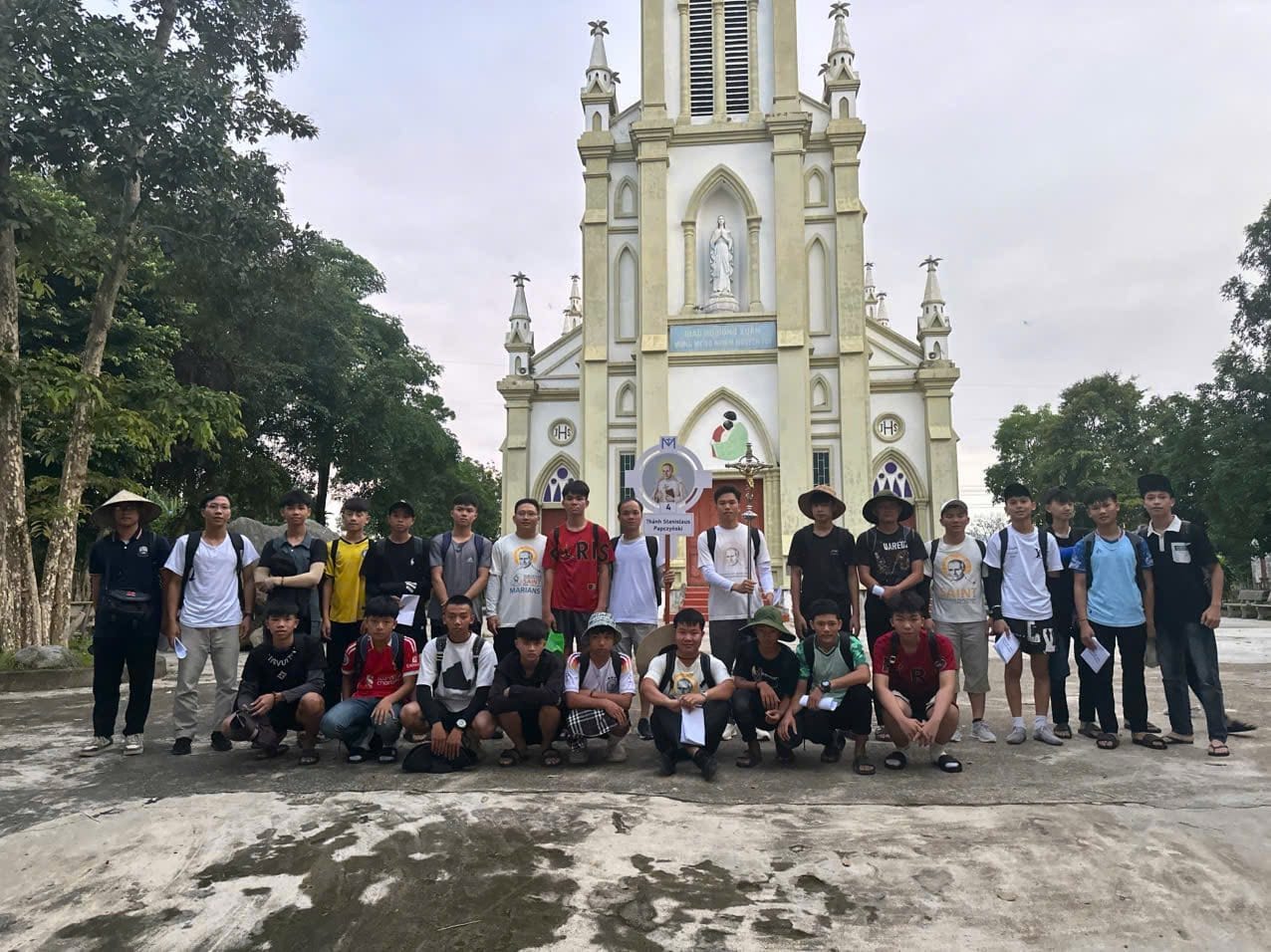
This shrine is located in the town of Bảo Nham in the diocese of Vinh and is dedicated to the Immaculate Mother of God, who at the end of the 19th century saved a large group of local Christians from death at the hands of their persecuting pagans. A group of 1,600 Christians took refuge in a fairly large but very exposed rock cave, which their persecutors surrounded with wood and set on fire. Suddenly, a heavy rain came and extinguished the fire, and those who wanted to kill the Christians saw a powerful lady in the clouds, whose calm appearance terrified them. So they fled and did no harm to their Christian brothers. Near this place, a church was built over time, and on the hill where the cave was located, Golgotha was built for the celebration of the Way of the Cross.
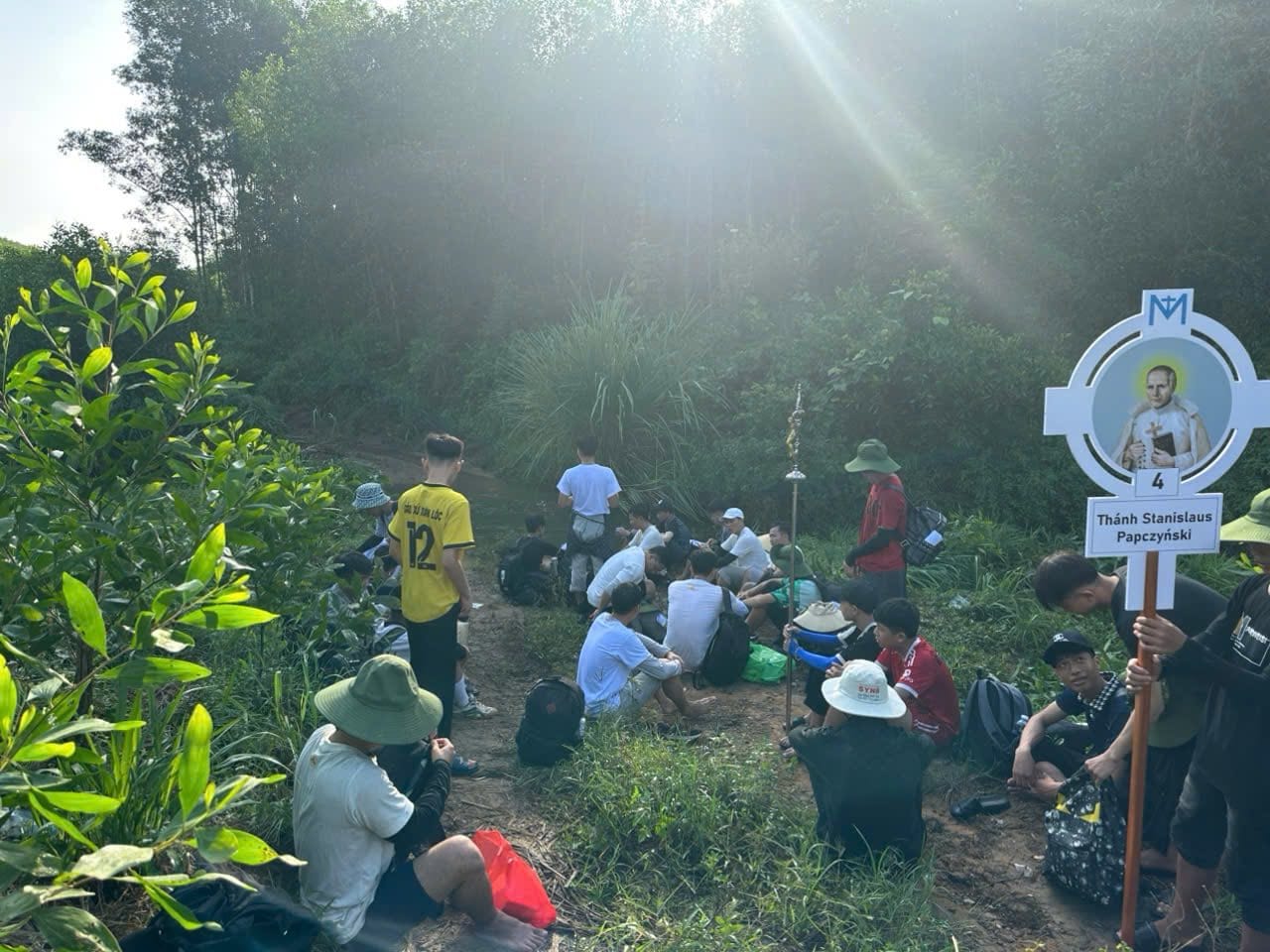
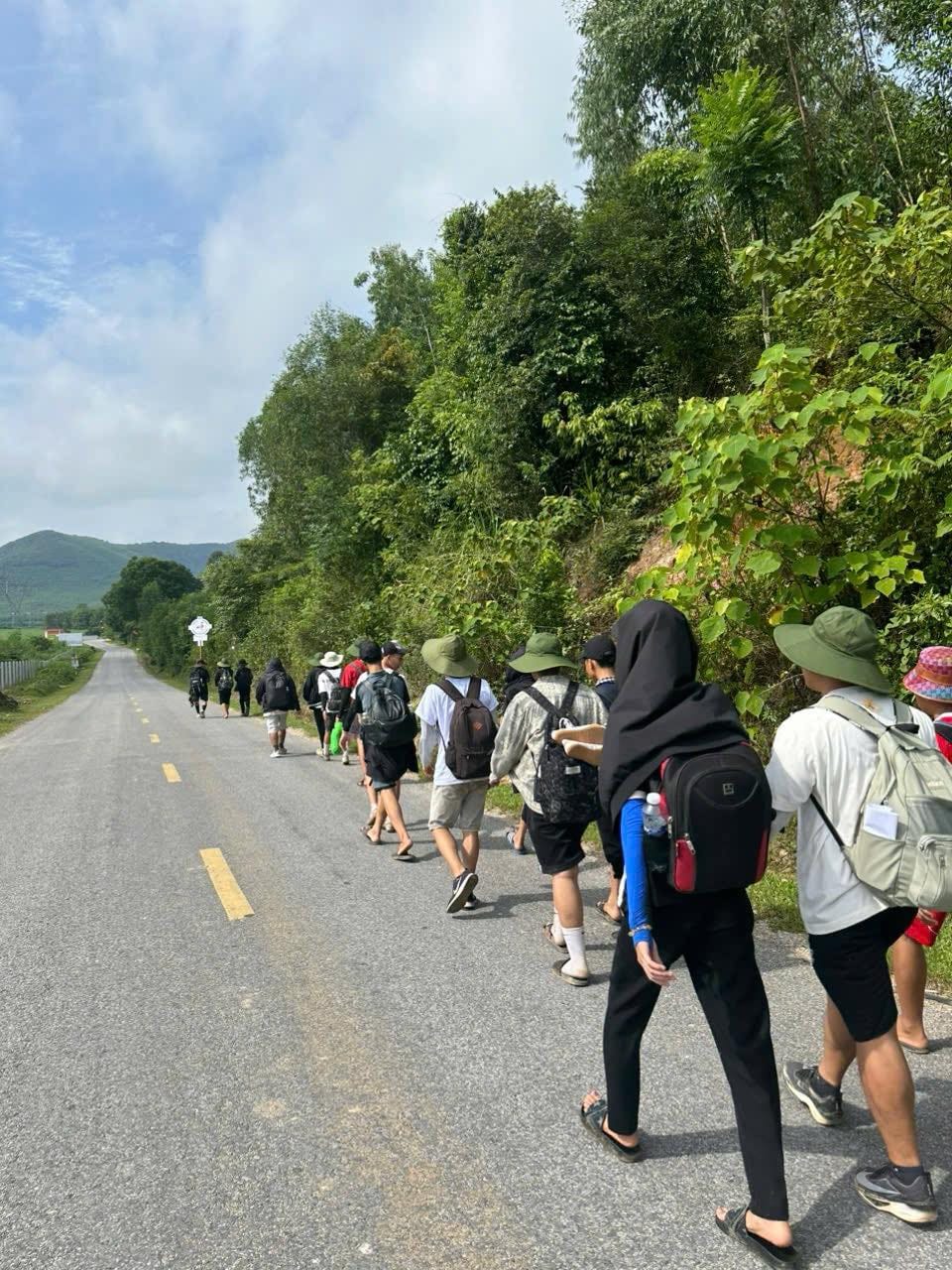
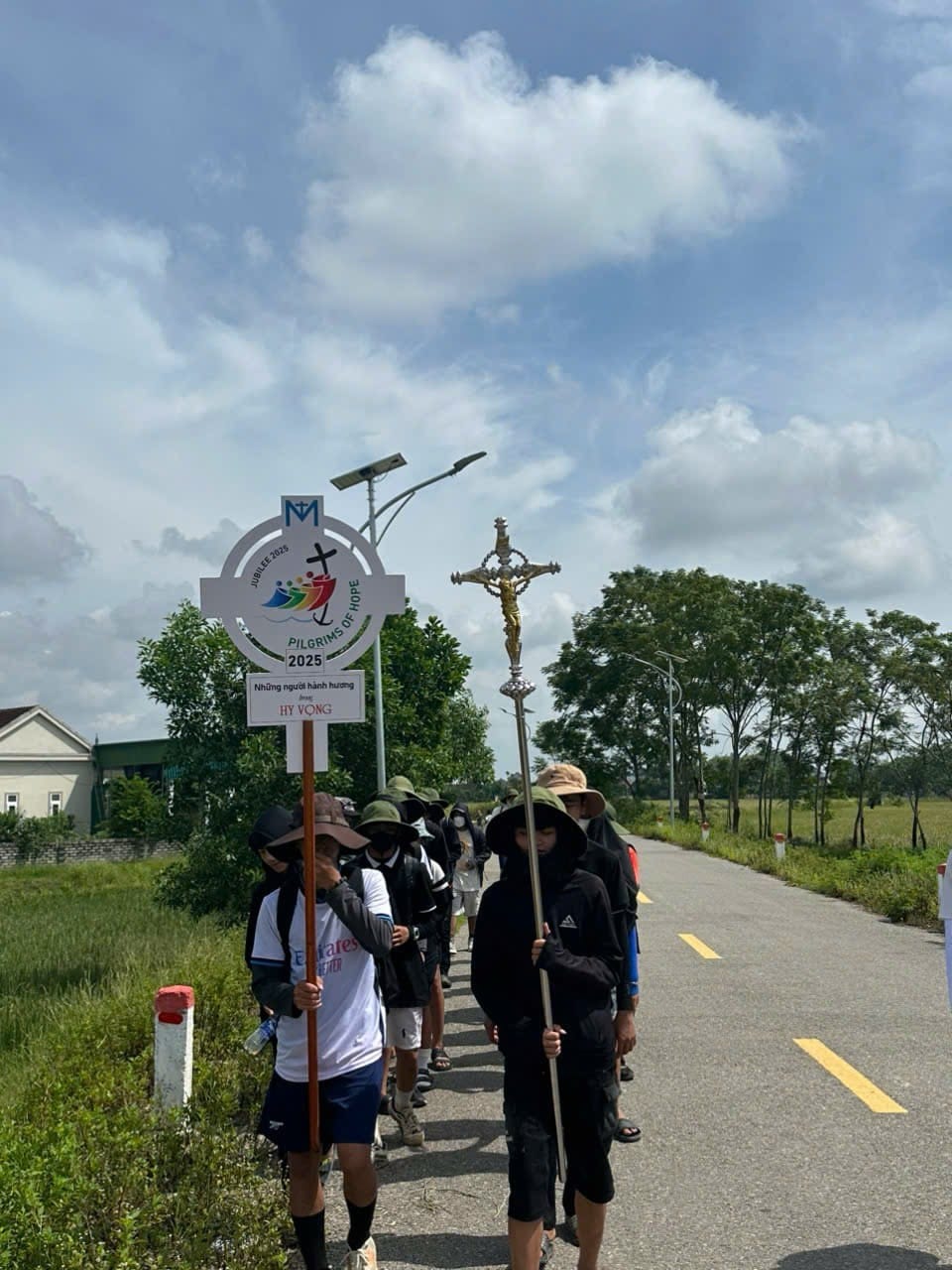
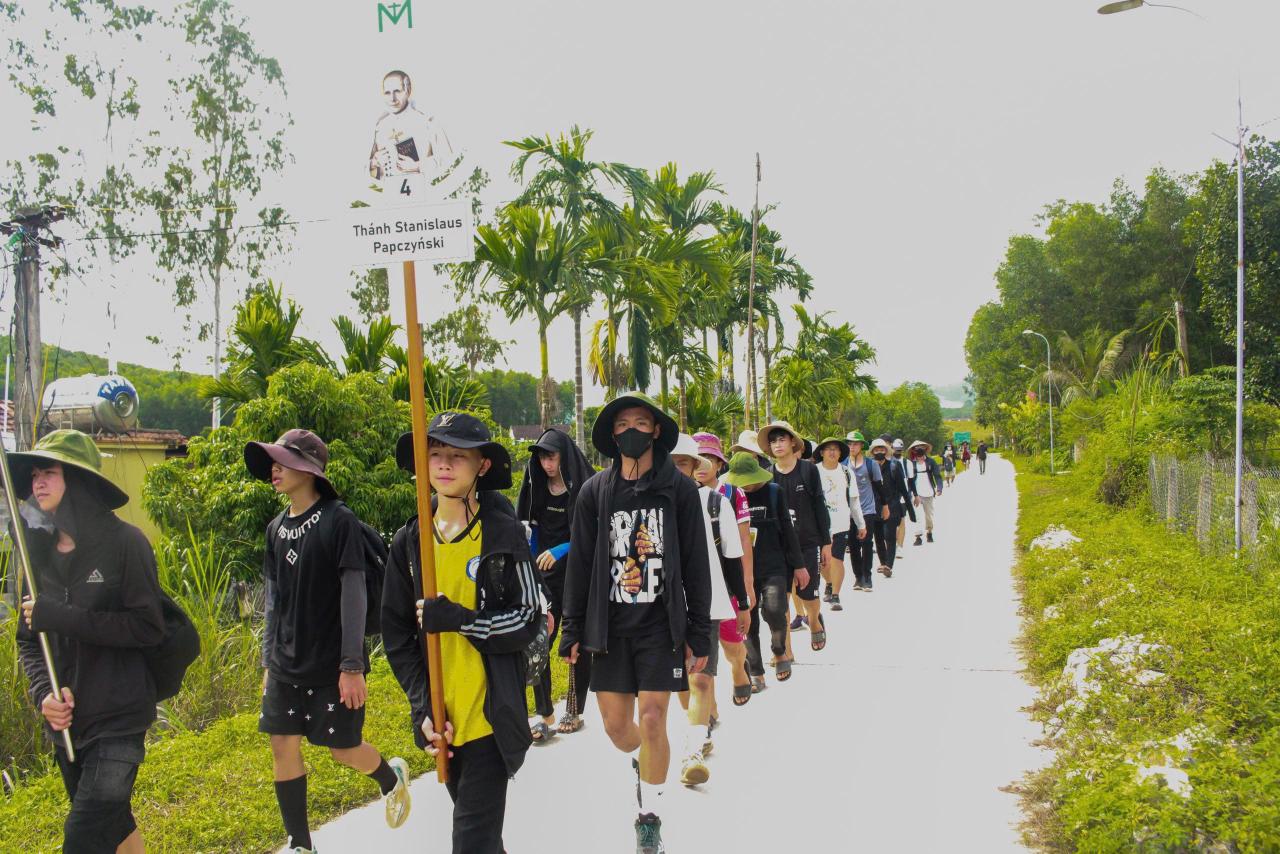
For several years now, our small community of Vietnamese Marians has been making a pilgrimage on foot to this place to preserve the memory of those events of long ago. Every year, more and more young people join our group of Marian pilgrims, saying that they are seeking peace of heart. This year, 20 young people joined the group of 10 Vietnamese Marians and made a pilgrimage to the Immaculate Mary venerated in the Bảo Nham shrine from August 21 to 23.
Bogusław Gil, MIC, STD