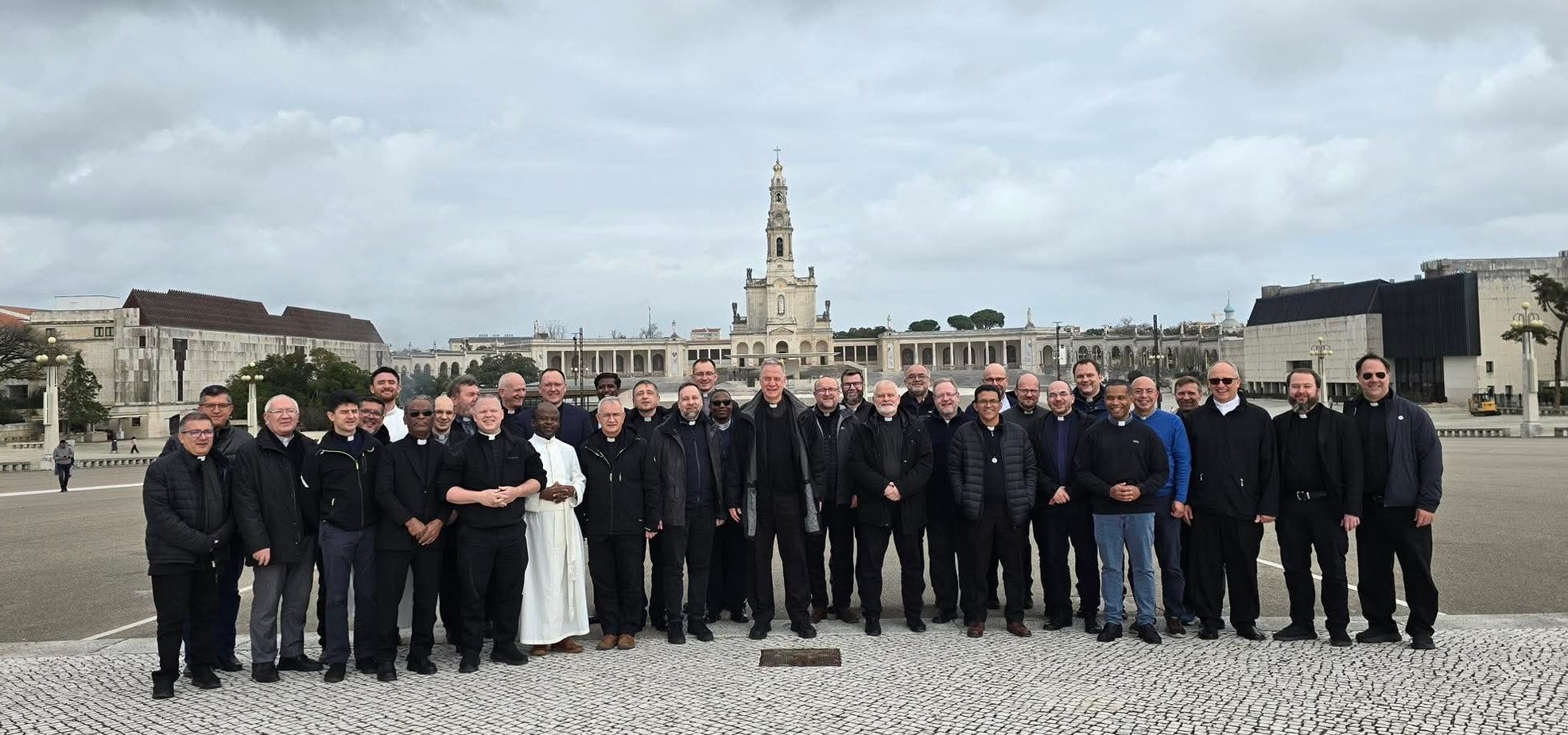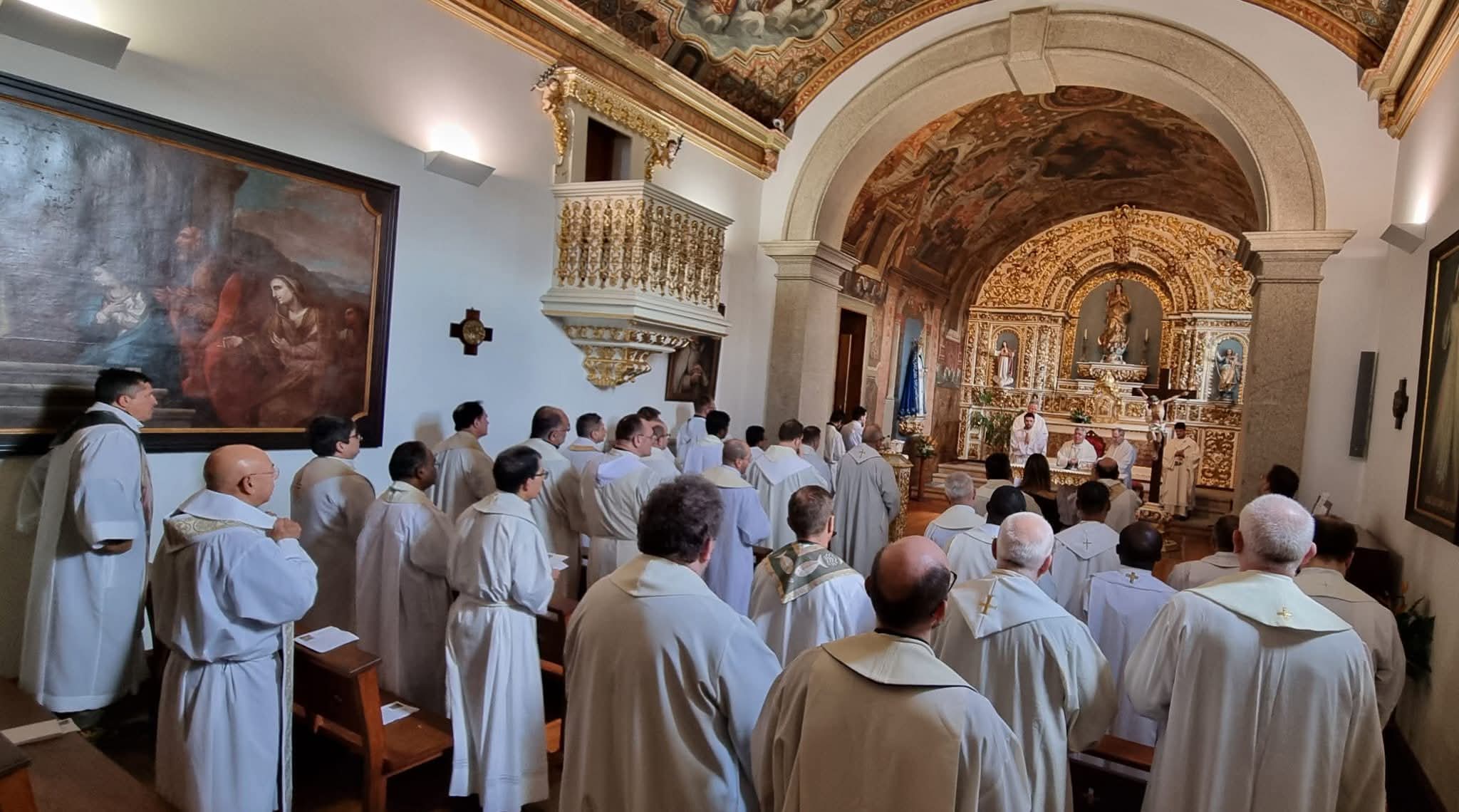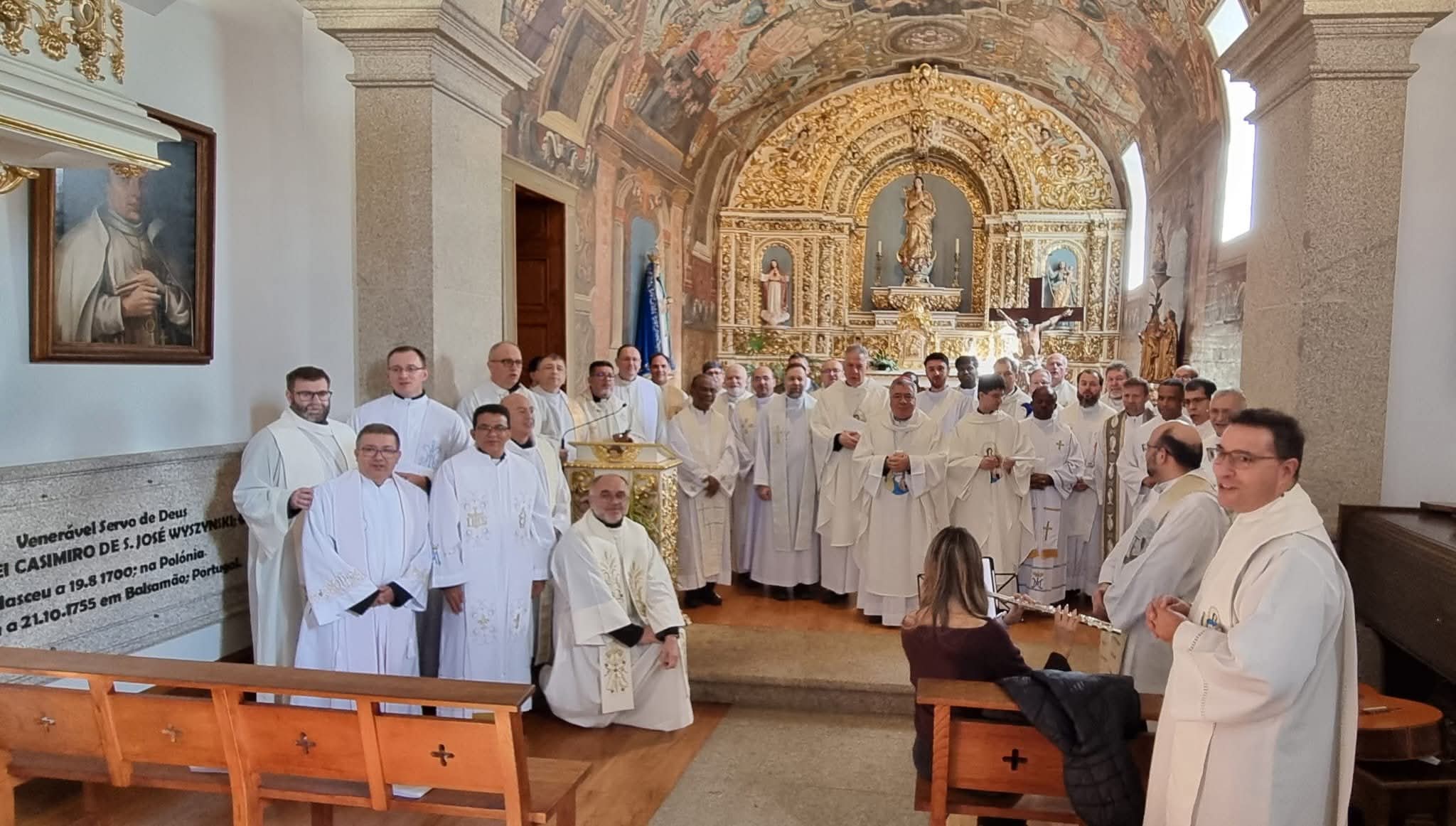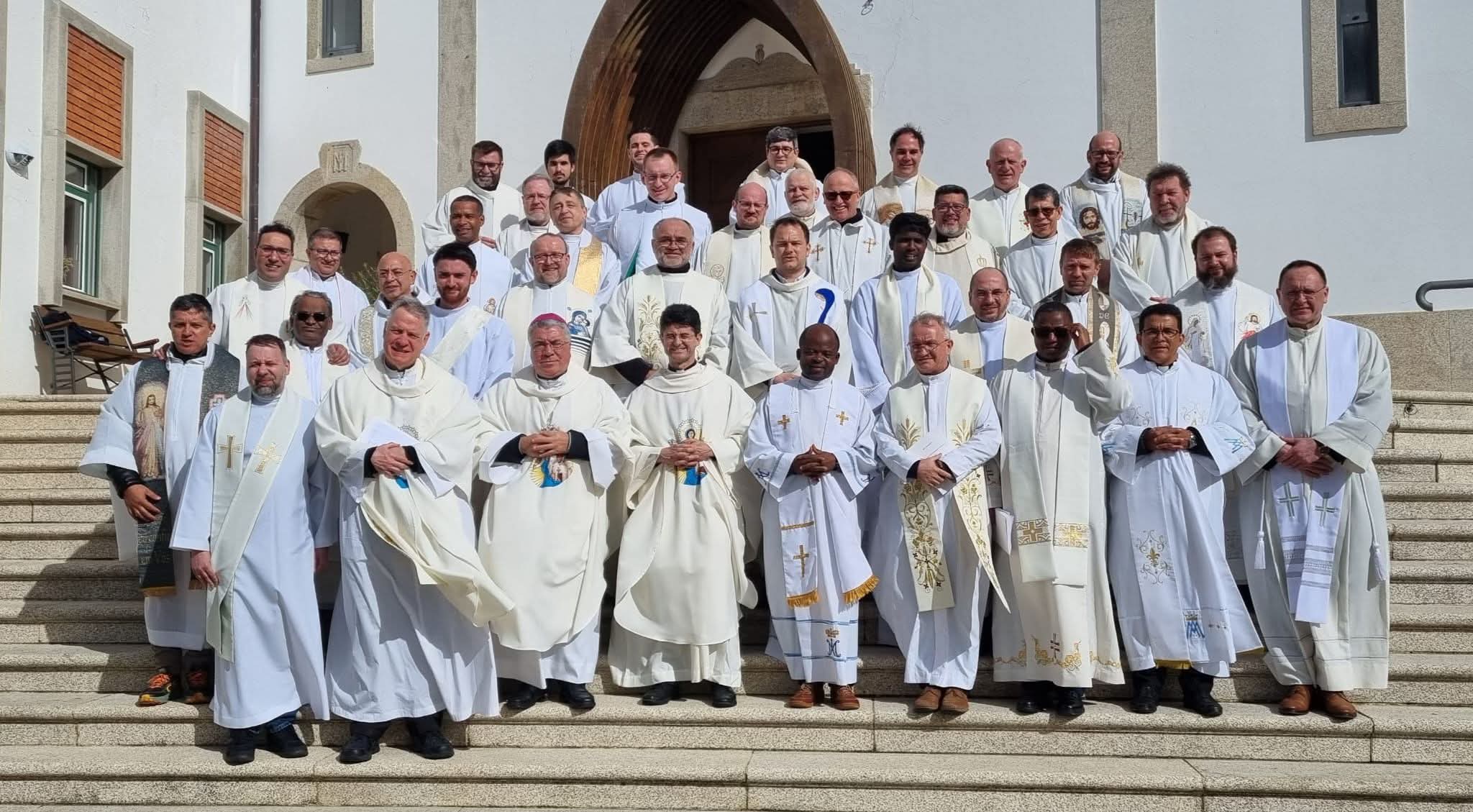

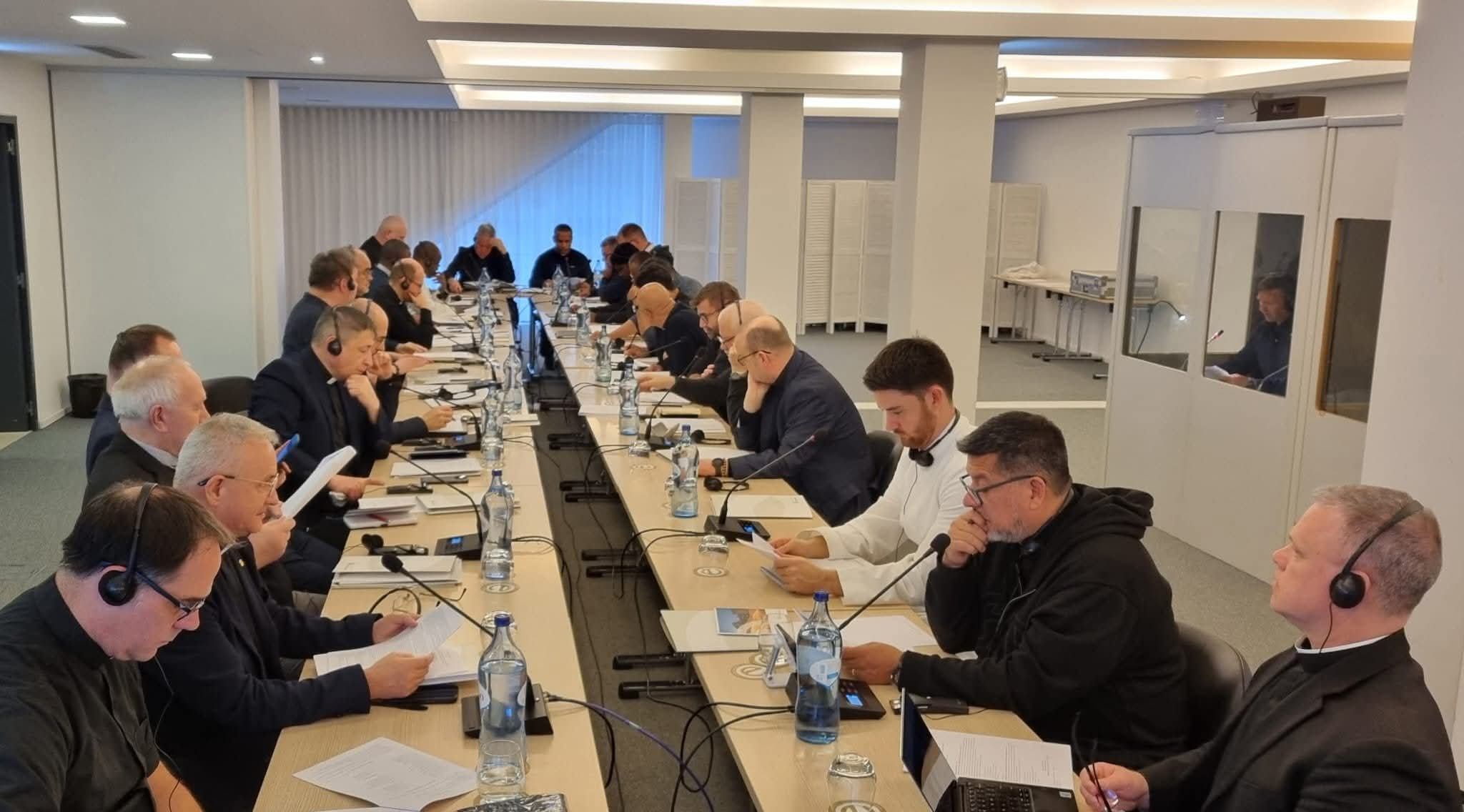
From 9 to 13 February 2026, the General Convention of the Congregation of Marian Fathers took place in Fatima. The meeting focused on the topic of vocation ministry from biblical, historical, and contemporary perspectives.
The Convention was attended by members of the General Council, superiors, and confreres actively involved in vocation ministry from the various Provinces and Vicariates of the Congregation. The international character of the gathering highlighted both the universality of the Congregation and the shared responsibility for its future.
During the Convention, the confreres had the opportunity to pray together, engage in theological reflection, participate in group work, and share their pastoral experiences. Each day began with common prayer and the celebration of the Eucharist, which set the spiritual rhythm of the proceedings and fostered deeper reflection on the topics discussed.
The first day of the Convention was dedicated to the biblical and theological foundations of vocation. The presentations presented vocation as God’s initiative — God who enters into the history of a concrete person and invites him to a path of faith, trust, and mission. The examples of Abraham, Moses, the Apostles, and the Blessed Virgin Mary helped to understand vocation as a process of maturing toward freedom, responsibility, and readiness to serve the People of God. It was emphasized that authentic vocation ministry does not consist in “recruiting candidates,” but rather in accompanying them in discerning their life path.
Subsequent presentations addressed the unchanging elements of vocation ministry amid changing cultural realities. Particular attention was given to the importance of the witness of life of priests and religious, their fraternal community, fidelity to prayer, and apostolic commitment. It was stressed that in a world marked by individualism and uncertainty, a clear and joyful witness of consecrated life remains one of the most powerful signs that awaken questions about the meaning and purpose of life.
On the second day, historical reflection on the life of the Congregation was undertaken. The special role of Czech vocations in the 18th century was recalled — vocations that had a significant impact on the development and stabilization of the community. The example of the Latvian Marian community illustrated how openness to the cultural and social context, combined with fidelity to the charism of the Congregation, contributed to its growth and strengthening in the 20th century.
Later in the proceedings, contemporary psychological conditions influencing vocations were discussed, with particular emphasis on the need for mature discernment of candidates’ motivations and the importance of integral human and spiritual formation.
On the third day, confreres from individual Provinces and Vicariates presented reports on vocation ministry being carried out in the countries where they serve. Sharing experiences from different continents revealed both the richness of initiatives and the common challenges currently facing the Congregation.
The fourth day was dedicated to the report of the Superior General, Fr. Joseph G. Roesch MIC, on the state of the Congregation. This was followed by a discussion on future directions in seeking new vocations and improving the formation process in light of cultural contexts and the individual abilities of candidates. The confreres stressed the need to take risks in opening up to young people searching for their vocation and not to close themselves off to new apostolic works, especially in mission countries. At the same time, it was noted that traditionally Christian countries are in many ways becoming mission territories themselves — and the proclamation of the kerygma is urgently needed there as well.
The process of initial formation also requires certain changes and clarifications. A General Committe on Formation will work on this issue, and new guidelines are to be developed in the future. Attention must also be given to ongoing (permanent) formation — in the near future, proposals should be prepared for younger confreres, as well as new monthly retreat programs in connection with the approaching 100th anniversary of the death of Father Renovator. This will be an important step in deepening the experience of our Marian charism.
The final event was a pilgrimage to Balsamão, combined with prayer for the beatification of the Venerable Servant of God Fr. Casimir Wyszyński. The time spent in common prayer and reflection strengthened the unity of the Congregation and confirmed that care for vocations remains one of the key tasks of the Marian Fathers so that they may serve Christ and the People of God in the Church even more fruitfully.
Fr. Dmitrijs Artjomovs, MIC